Role of Motion in Interfaces
Using movement to guide attention, not distract from the core content.
Motion & Interaction

Ananya Iyer
Product Designer
Time to read
3 min read
Motion With Purpose
Motion should always serve a function. Whether guiding focus, indicating feedback, or explaining relationships, animation helps users understand what’s happening.
Without purpose, motion becomes noise.
Subtle Over Spectacle
Small transitions—hover states, loading cues, micro-interactions—often have more impact than large animations. They make interfaces feel responsive and alive.
Subtle motion improves usability without overwhelming users.
Timing Matters
Easing, duration, and rhythm influence how motion feels. Natural timing creates smooth, intuitive experiences that align with human perception.
Poor timing breaks immersion and clarity.
Consistency in Motion
Motion should follow the same rules throughout the product. Repeated patterns help users build familiarity and trust.
Final Thought
Motion is a design tool—not decoration. When used thoughtfully, it enhances clarity, flow, and usability across products.
More Articles
Designing for Performance
Why speed, clarity, and efficiency matter in modern digital experiences today.
Brand Identity
Jan 1, 2026
Designing for Performance
Why speed, clarity, and efficiency matter in modern digital experiences today.
Brand Identity
Jan 1, 2026
Designing for Performance
Why speed, clarity, and efficiency matter in modern digital experiences today.
Brand Identity
Jan 1, 2026
Designing for Alignment
How shared understanding improves outcomes across products and services.
Creative Direction
Feb 4, 2026
Designing for Alignment
How shared understanding improves outcomes across products and services.
Creative Direction
Feb 4, 2026
Designing for Alignment
How shared understanding improves outcomes across products and services.
Creative Direction
Feb 4, 2026
Designing for Longevity
How thoughtful design decisions help digital products age well over time.
Web Design
Feb 4, 2026
Designing for Longevity
How thoughtful design decisions help digital products age well over time.
Web Design
Feb 4, 2026
Designing for Longevity
How thoughtful design decisions help digital products age well over time.
Web Design
Feb 4, 2026
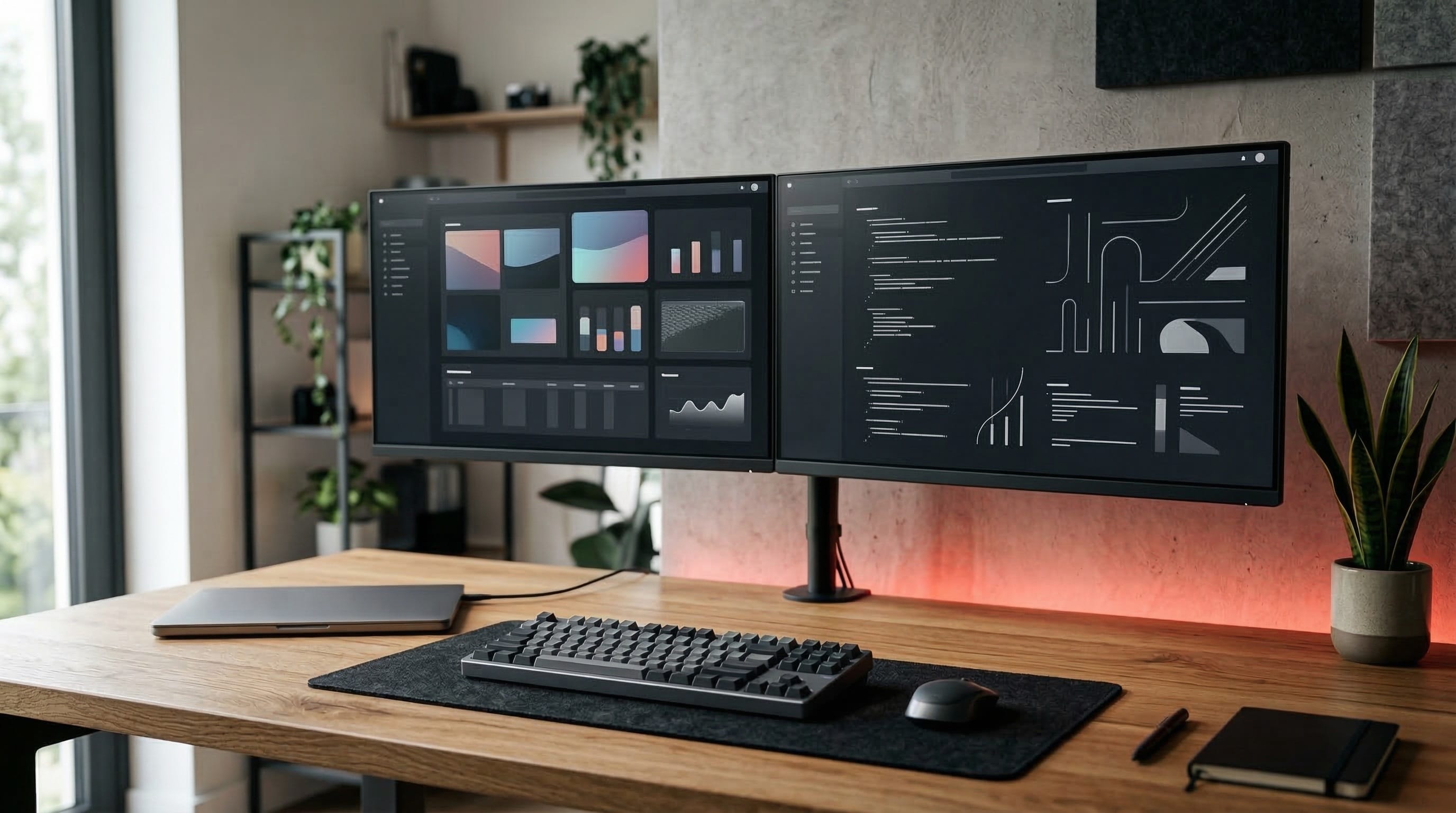
Consistency Builds Trust
How predictable design builds confidence and improves usability across interfaces.
Brand Identity
Feb 2, 2026
Consistency Builds Trust
How predictable design builds confidence and improves usability across interfaces.
Brand Identity
Feb 2, 2026
Consistency Builds Trust
How predictable design builds confidence and improves usability across interfaces.
Brand Identity
Feb 2, 2026

Designing Around Content
Why content should shape layout, not the other way around in real-world scenarios.
Creative Direction
Jan 29, 2026
Designing Around Content
Why content should shape layout, not the other way around in real-world scenarios.
Creative Direction
Jan 29, 2026
Designing Around Content
Why content should shape layout, not the other way around in real-world scenarios.
Creative Direction
Jan 29, 2026
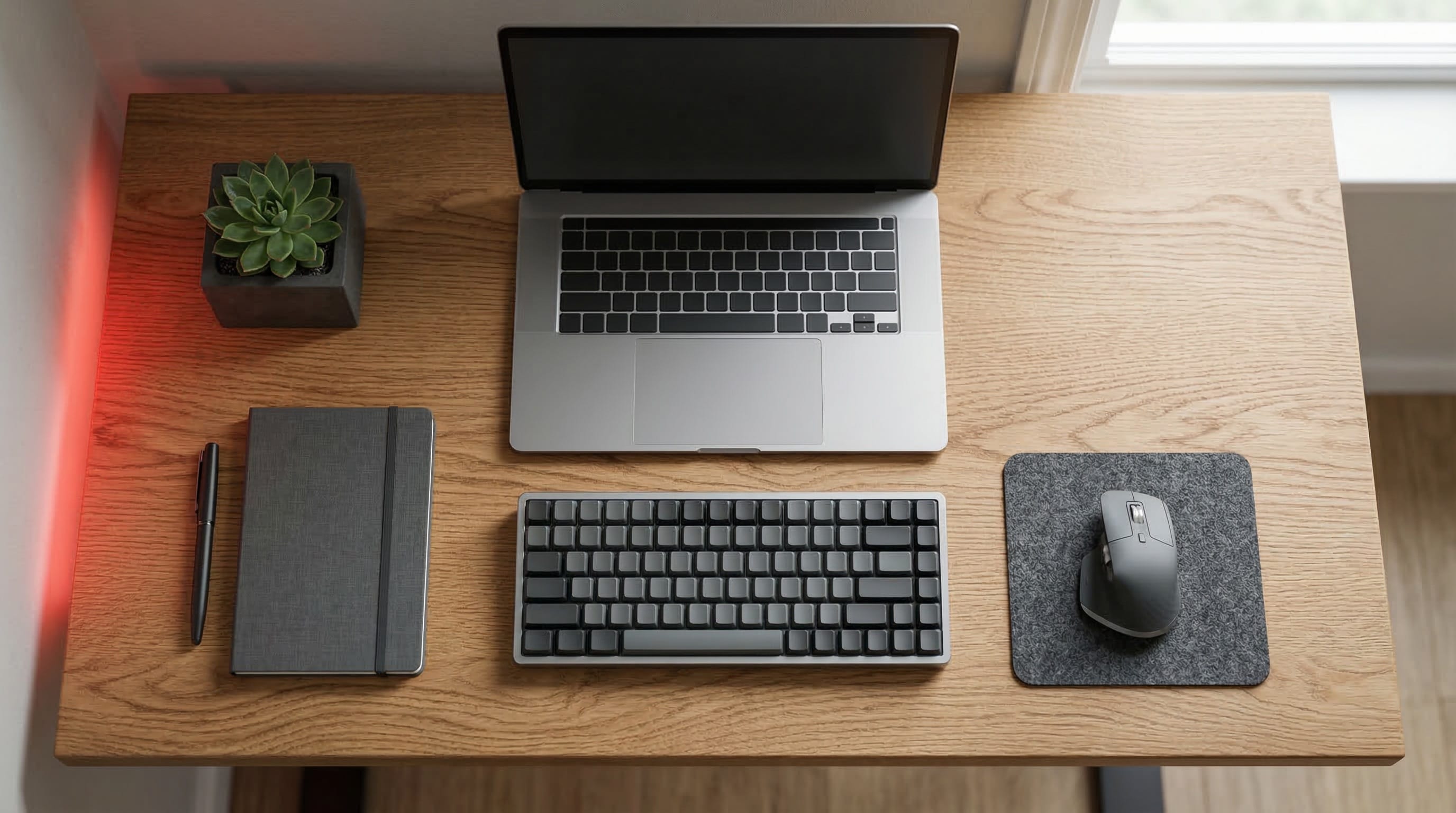
Thinking in Design Systems
How scalable systems create consistency without sacrificing flexibility across use cases.
Web Design
Jan 22, 2026
Thinking in Design Systems
How scalable systems create consistency without sacrificing flexibility across use cases.
Web Design
Jan 22, 2026
Thinking in Design Systems
How scalable systems create consistency without sacrificing flexibility across use cases.
Web Design
Jan 22, 2026

Let’s Work Together.
Let’s create something clear, strategic, and lasting.
Role of Motion in Interfaces
Using movement to guide attention, not distract from the core content.
Motion & Interaction
Ananya Iyer
Product Designer
Time to read
3 min read
Motion With Purpose
Motion should always serve a function. Whether guiding focus, indicating feedback, or explaining relationships, animation helps users understand what’s happening.
Without purpose, motion becomes noise.
Subtle Over Spectacle
Small transitions—hover states, loading cues, micro-interactions—often have more impact than large animations. They make interfaces feel responsive and alive.
Subtle motion improves usability without overwhelming users.
Timing Matters
Easing, duration, and rhythm influence how motion feels. Natural timing creates smooth, intuitive experiences that align with human perception.
Poor timing breaks immersion and clarity.
Consistency in Motion
Motion should follow the same rules throughout the product. Repeated patterns help users build familiarity and trust.
Final Thought
Motion is a design tool—not decoration. When used thoughtfully, it enhances clarity, flow, and usability across products.
More Articles
Designing for Performance
Why speed, clarity, and efficiency matter in modern digital experiences today.
Brand Identity
Jan 1, 2026
Designing for Performance
Why speed, clarity, and efficiency matter in modern digital experiences today.
Brand Identity
Jan 1, 2026
Designing for Performance
Why speed, clarity, and efficiency matter in modern digital experiences today.
Brand Identity
Jan 1, 2026
Designing for Alignment
How shared understanding improves outcomes across products and services.
Creative Direction
Feb 4, 2026
Designing for Alignment
How shared understanding improves outcomes across products and services.
Creative Direction
Feb 4, 2026
Designing for Alignment
How shared understanding improves outcomes across products and services.
Creative Direction
Feb 4, 2026
Designing for Longevity
How thoughtful design decisions help digital products age well over time.
Web Design
Feb 4, 2026
Designing for Longevity
How thoughtful design decisions help digital products age well over time.
Web Design
Feb 4, 2026
Designing for Longevity
How thoughtful design decisions help digital products age well over time.
Web Design
Feb 4, 2026
Consistency Builds Trust
How predictable design builds confidence and improves usability across interfaces.
Brand Identity
Feb 2, 2026
Consistency Builds Trust
How predictable design builds confidence and improves usability across interfaces.
Brand Identity
Feb 2, 2026
Consistency Builds Trust
How predictable design builds confidence and improves usability across interfaces.
Brand Identity
Feb 2, 2026
Designing Around Content
Why content should shape layout, not the other way around in real-world scenarios.
Creative Direction
Jan 29, 2026
Designing Around Content
Why content should shape layout, not the other way around in real-world scenarios.
Creative Direction
Jan 29, 2026
Designing Around Content
Why content should shape layout, not the other way around in real-world scenarios.
Creative Direction
Jan 29, 2026
Thinking in Design Systems
How scalable systems create consistency without sacrificing flexibility across use cases.
Web Design
Jan 22, 2026
Thinking in Design Systems
How scalable systems create consistency without sacrificing flexibility across use cases.
Web Design
Jan 22, 2026
Thinking in Design Systems
How scalable systems create consistency without sacrificing flexibility across use cases.
Web Design
Jan 22, 2026
Let’s Work Together.
Let’s create something clear, strategic, and lasting.
Role of Motion in Interfaces
Using movement to guide attention, not distract from the core content.
Motion & Interaction
Ananya Iyer
Product Designer
Time to read
3 min read
Motion With Purpose
Motion should always serve a function. Whether guiding focus, indicating feedback, or explaining relationships, animation helps users understand what’s happening.
Without purpose, motion becomes noise.
Subtle Over Spectacle
Small transitions—hover states, loading cues, micro-interactions—often have more impact than large animations. They make interfaces feel responsive and alive.
Subtle motion improves usability without overwhelming users.
Timing Matters
Easing, duration, and rhythm influence how motion feels. Natural timing creates smooth, intuitive experiences that align with human perception.
Poor timing breaks immersion and clarity.
Consistency in Motion
Motion should follow the same rules throughout the product. Repeated patterns help users build familiarity and trust.
Final Thought
Motion is a design tool—not decoration. When used thoughtfully, it enhances clarity, flow, and usability across products.
More Articles
Designing for Performance
Why speed, clarity, and efficiency matter in modern digital experiences today.
Brand Identity
Jan 1, 2026
Designing for Performance
Why speed, clarity, and efficiency matter in modern digital experiences today.
Brand Identity
Jan 1, 2026
Designing for Performance
Why speed, clarity, and efficiency matter in modern digital experiences today.
Brand Identity
Jan 1, 2026
Designing for Alignment
How shared understanding improves outcomes across products and services.
Creative Direction
Feb 4, 2026
Designing for Alignment
How shared understanding improves outcomes across products and services.
Creative Direction
Feb 4, 2026
Designing for Alignment
How shared understanding improves outcomes across products and services.
Creative Direction
Feb 4, 2026
Designing for Longevity
How thoughtful design decisions help digital products age well over time.
Web Design
Feb 4, 2026
Designing for Longevity
How thoughtful design decisions help digital products age well over time.
Web Design
Feb 4, 2026
Designing for Longevity
How thoughtful design decisions help digital products age well over time.
Web Design
Feb 4, 2026
Consistency Builds Trust
How predictable design builds confidence and improves usability across interfaces.
Brand Identity
Feb 2, 2026
Consistency Builds Trust
How predictable design builds confidence and improves usability across interfaces.
Brand Identity
Feb 2, 2026
Consistency Builds Trust
How predictable design builds confidence and improves usability across interfaces.
Brand Identity
Feb 2, 2026
Designing Around Content
Why content should shape layout, not the other way around in real-world scenarios.
Creative Direction
Jan 29, 2026
Designing Around Content
Why content should shape layout, not the other way around in real-world scenarios.
Creative Direction
Jan 29, 2026
Designing Around Content
Why content should shape layout, not the other way around in real-world scenarios.
Creative Direction
Jan 29, 2026
Thinking in Design Systems
How scalable systems create consistency without sacrificing flexibility across use cases.
Web Design
Jan 22, 2026
Thinking in Design Systems
How scalable systems create consistency without sacrificing flexibility across use cases.
Web Design
Jan 22, 2026
Thinking in Design Systems
How scalable systems create consistency without sacrificing flexibility across use cases.
Web Design
Jan 22, 2026